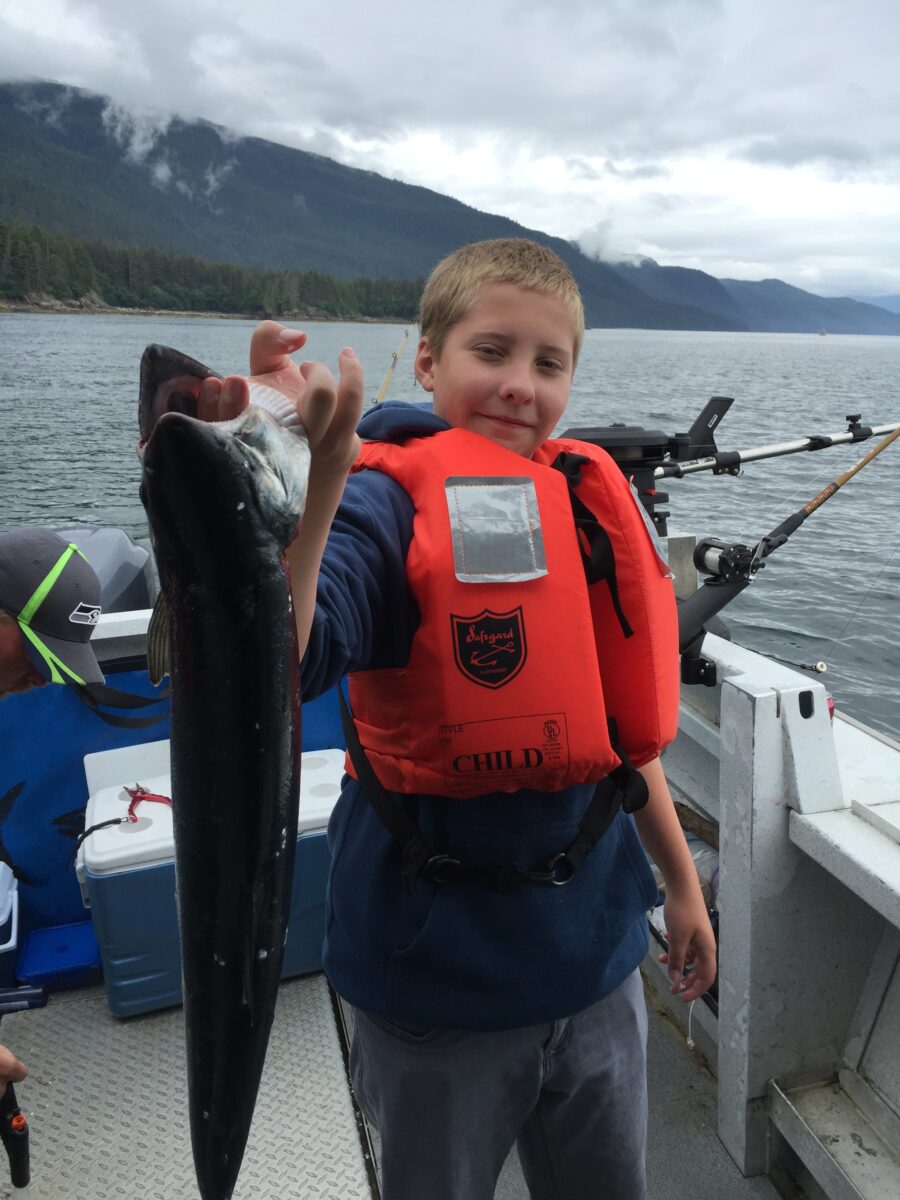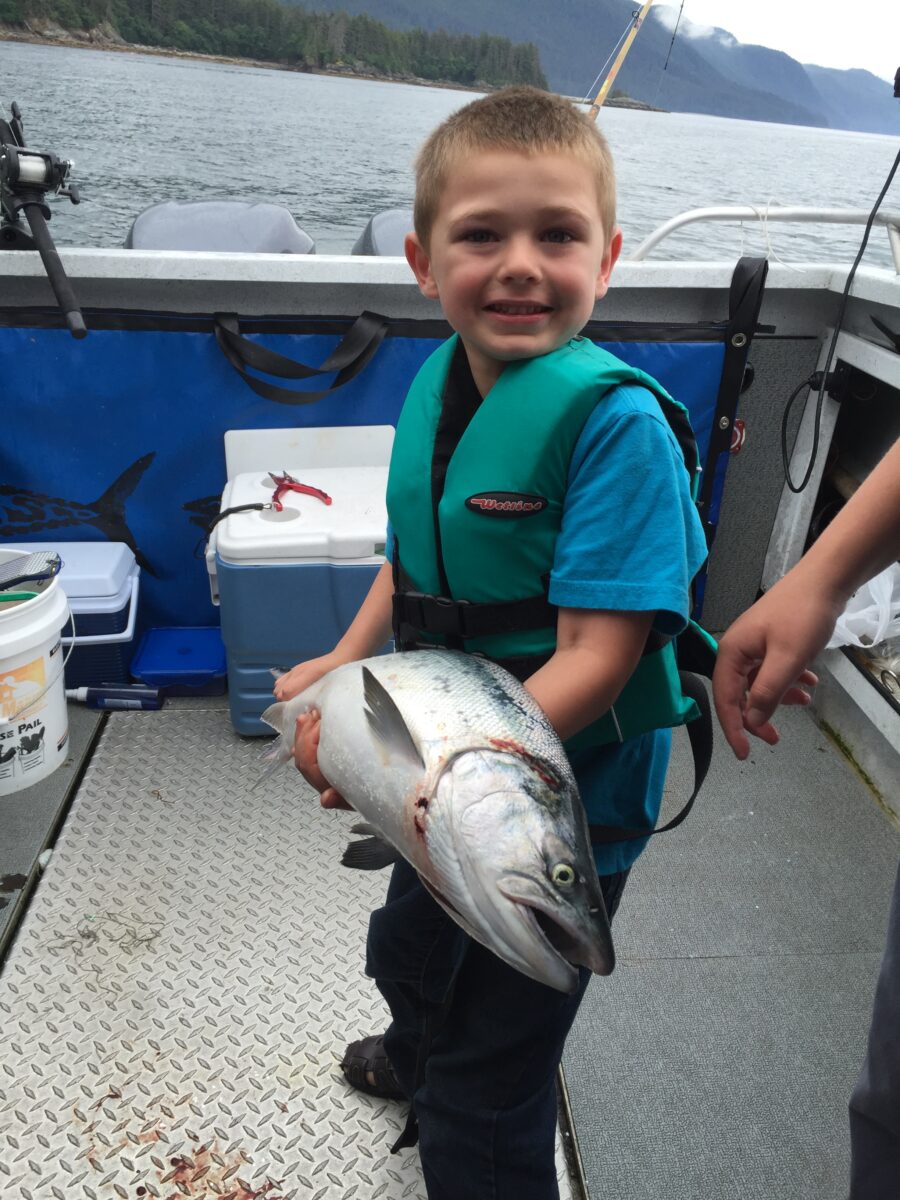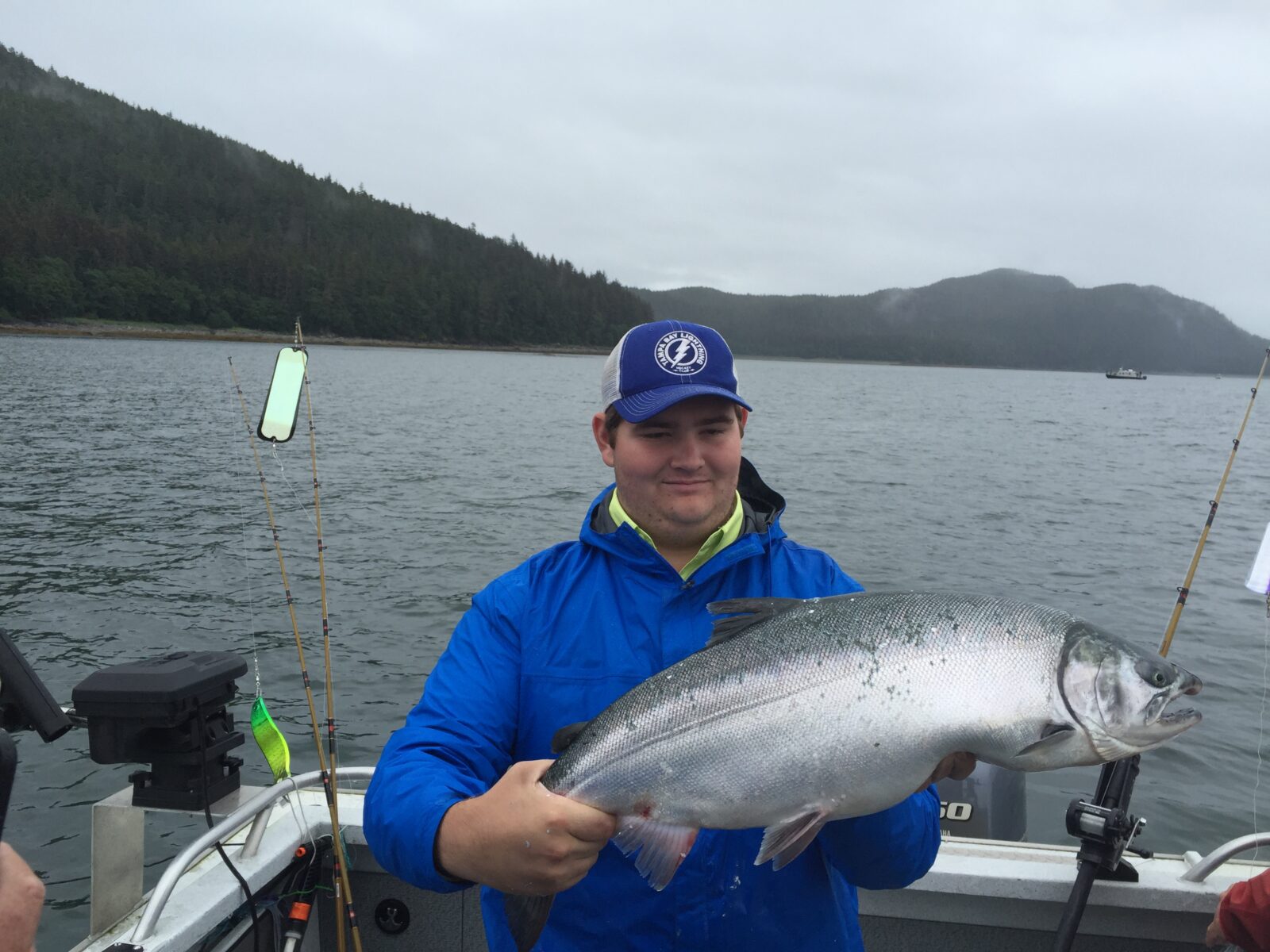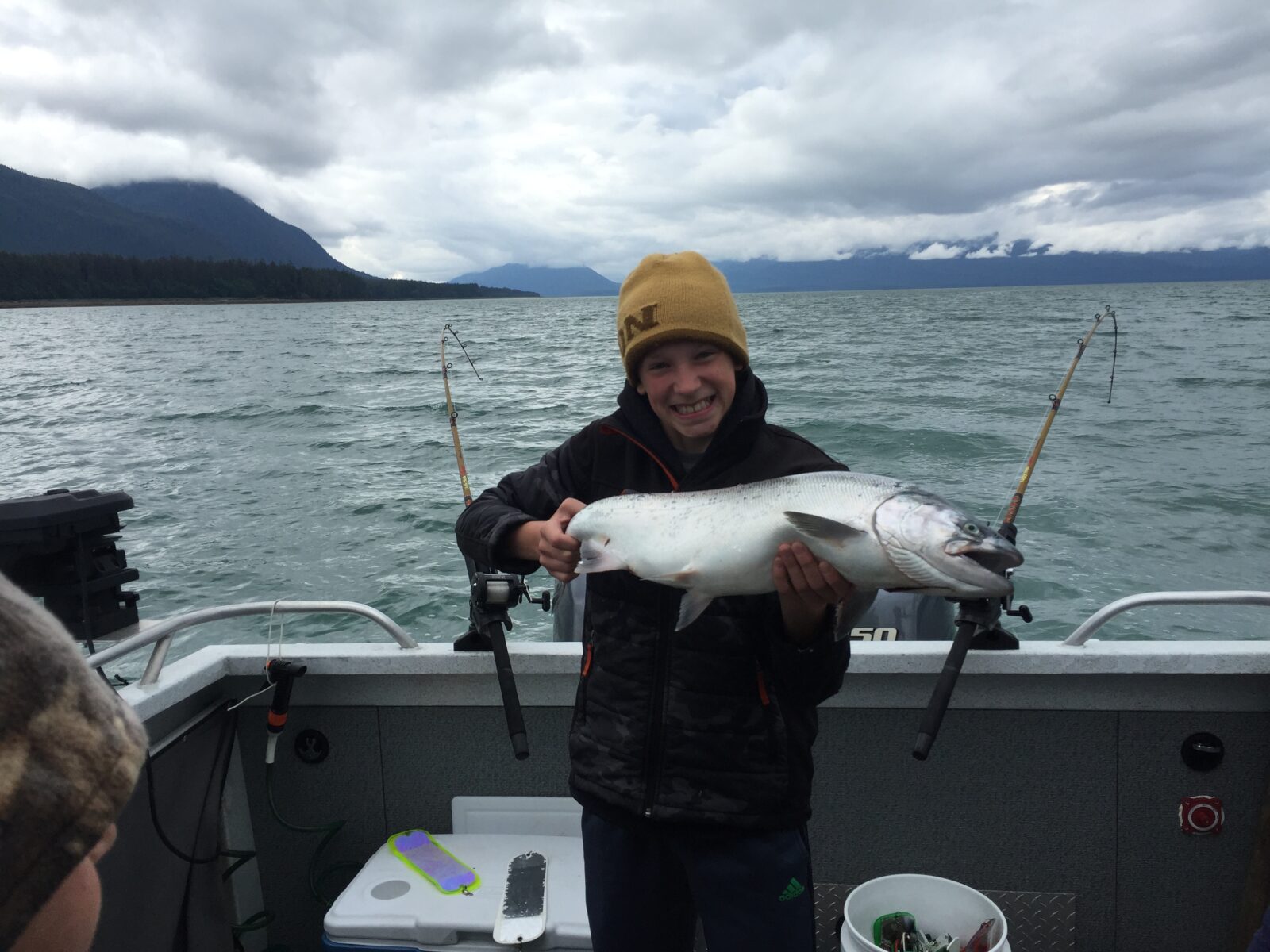
4 hour Charters starting at $850.00 for up to 4 anglers
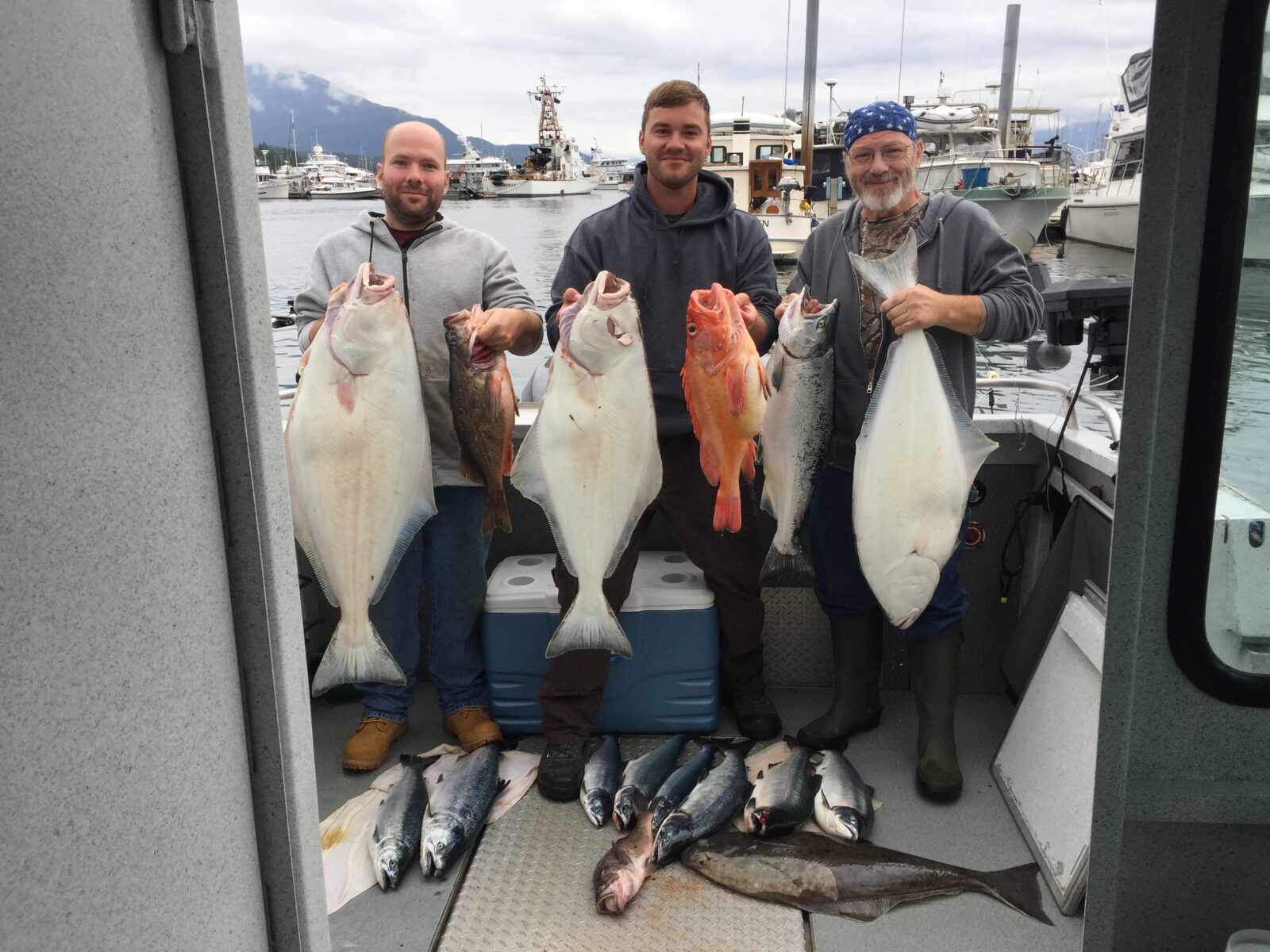
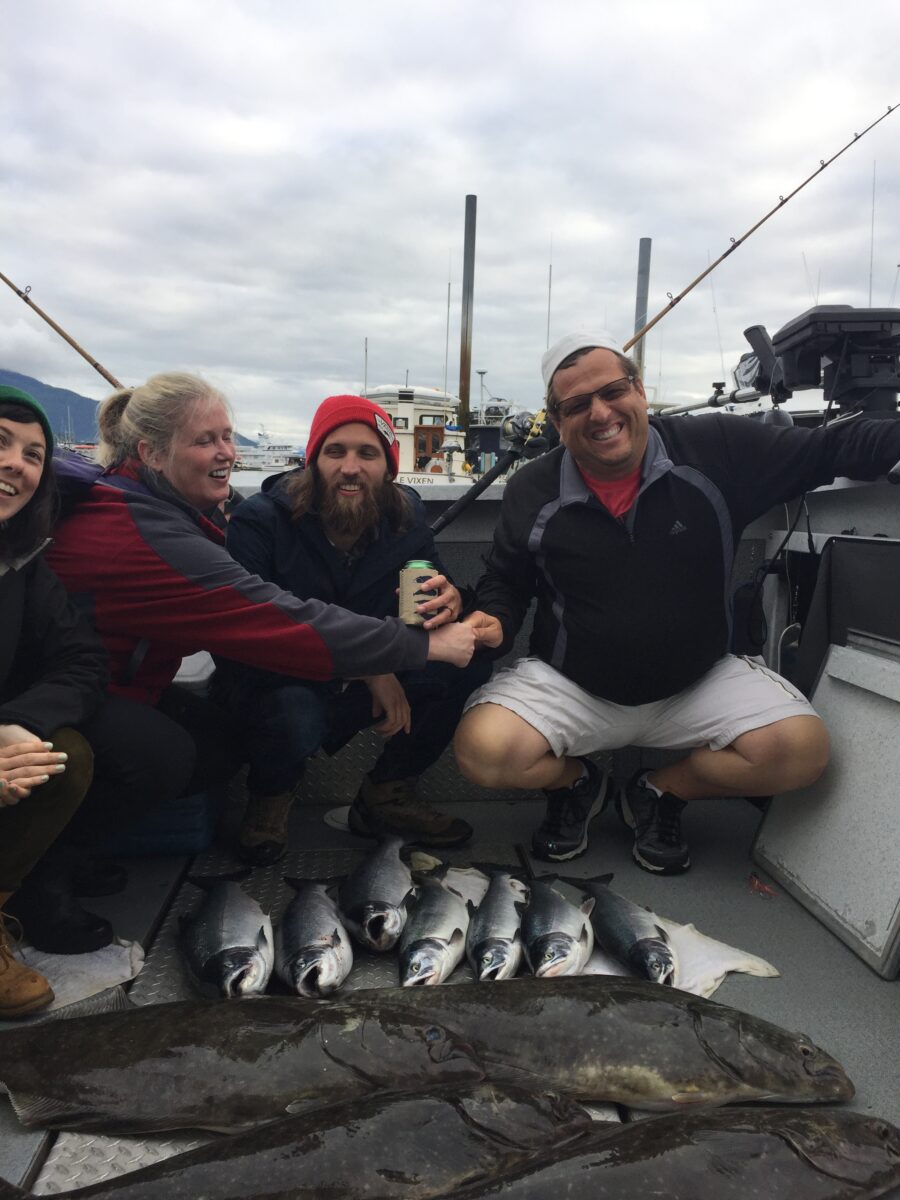
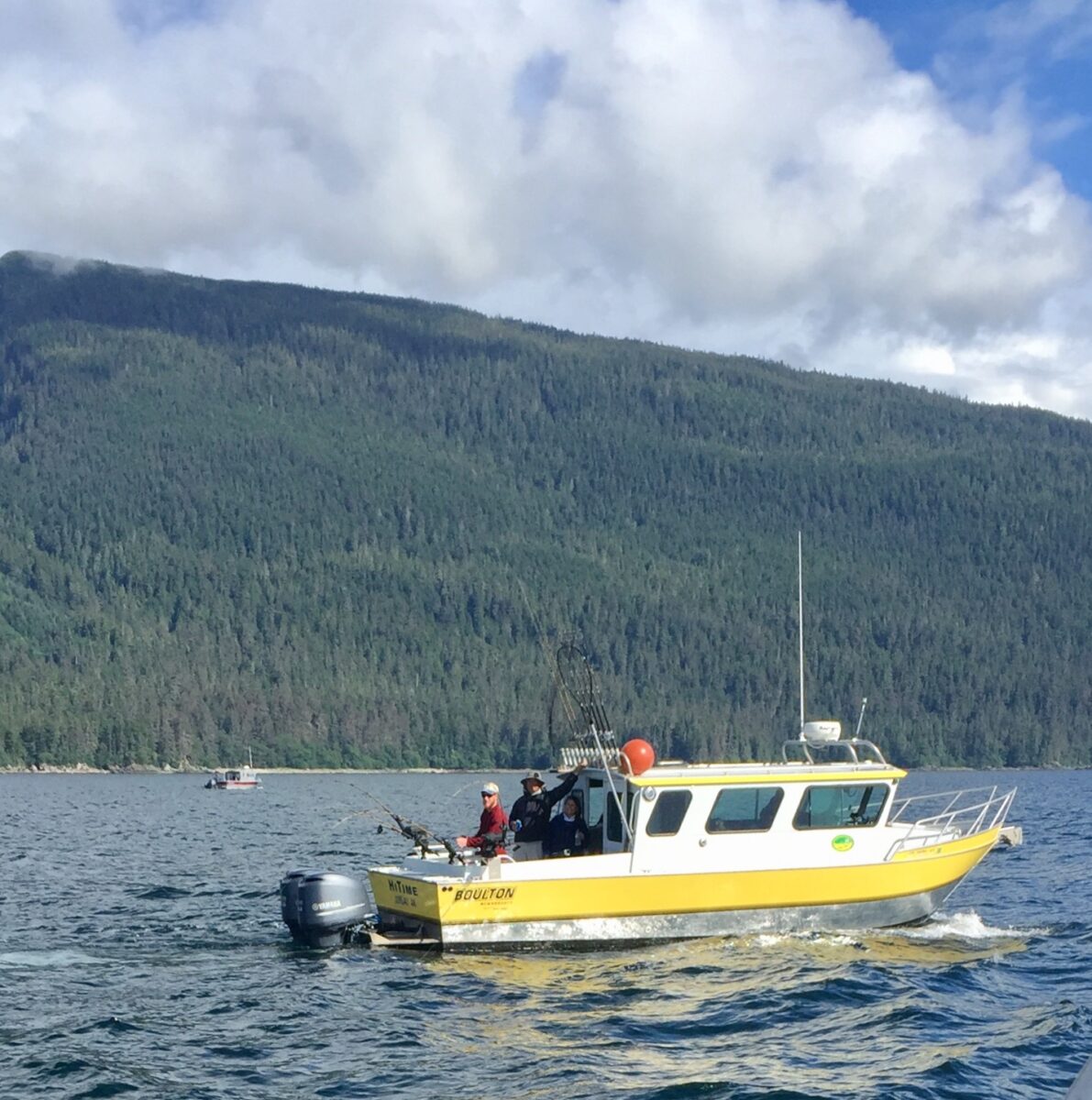
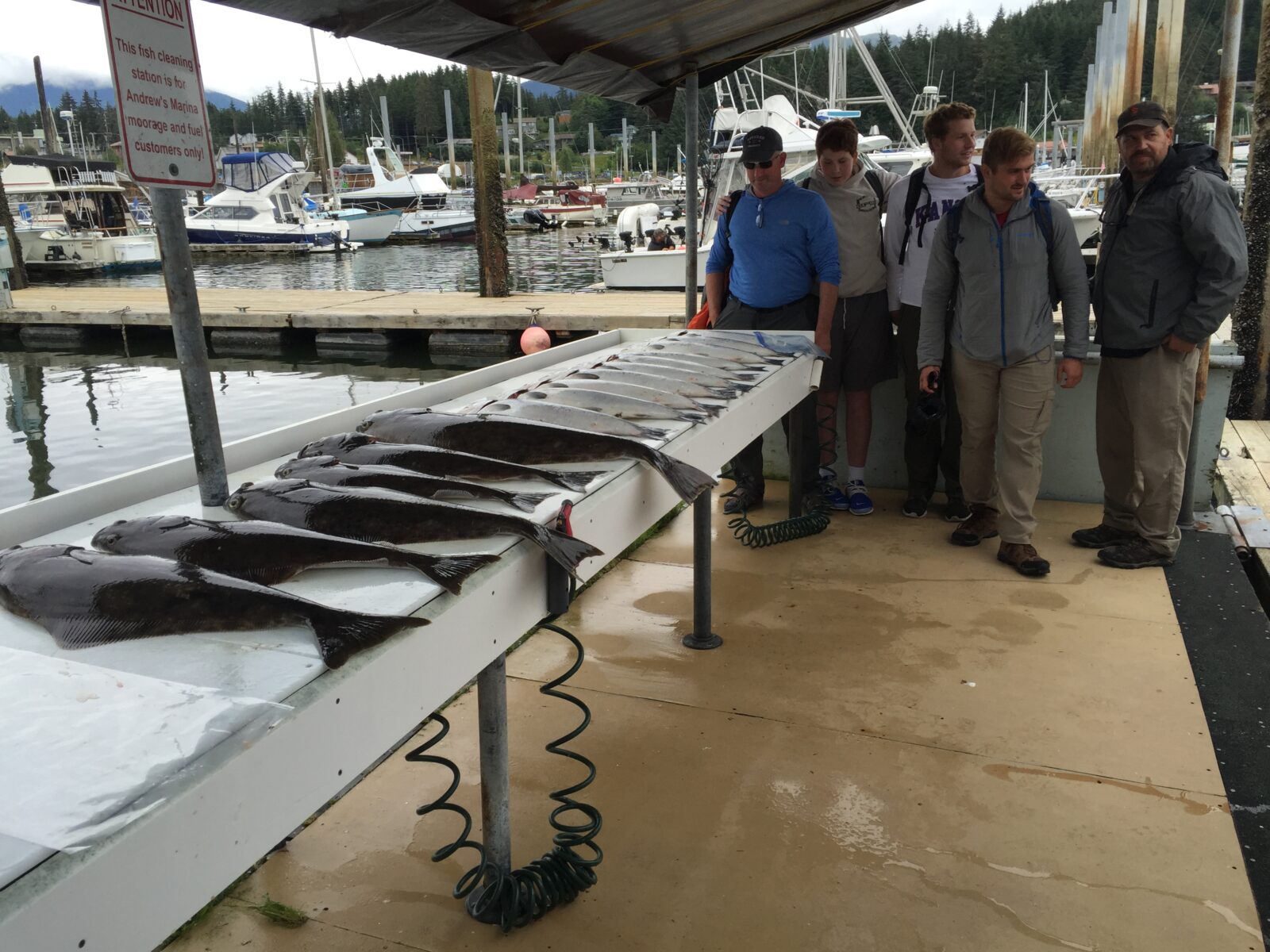
For over 40 years, Big Jim’s Charters has been the go-to provider for an exceptional private fishing charter on the beautiful waters around Juneau, Alaska. Whether you’re targeting all five species of salmon – King, Coho, Sockeye, Chum and Pink – or hunting for Pacific halibut and a variety of bottom fish, our Juneau, Alaska fishing charter delivers. You’ll also enjoy opportunities to spot local wildlife: from humpback whales and sea lions to bald eagles, giving you an unforgettable Alaska adventure.
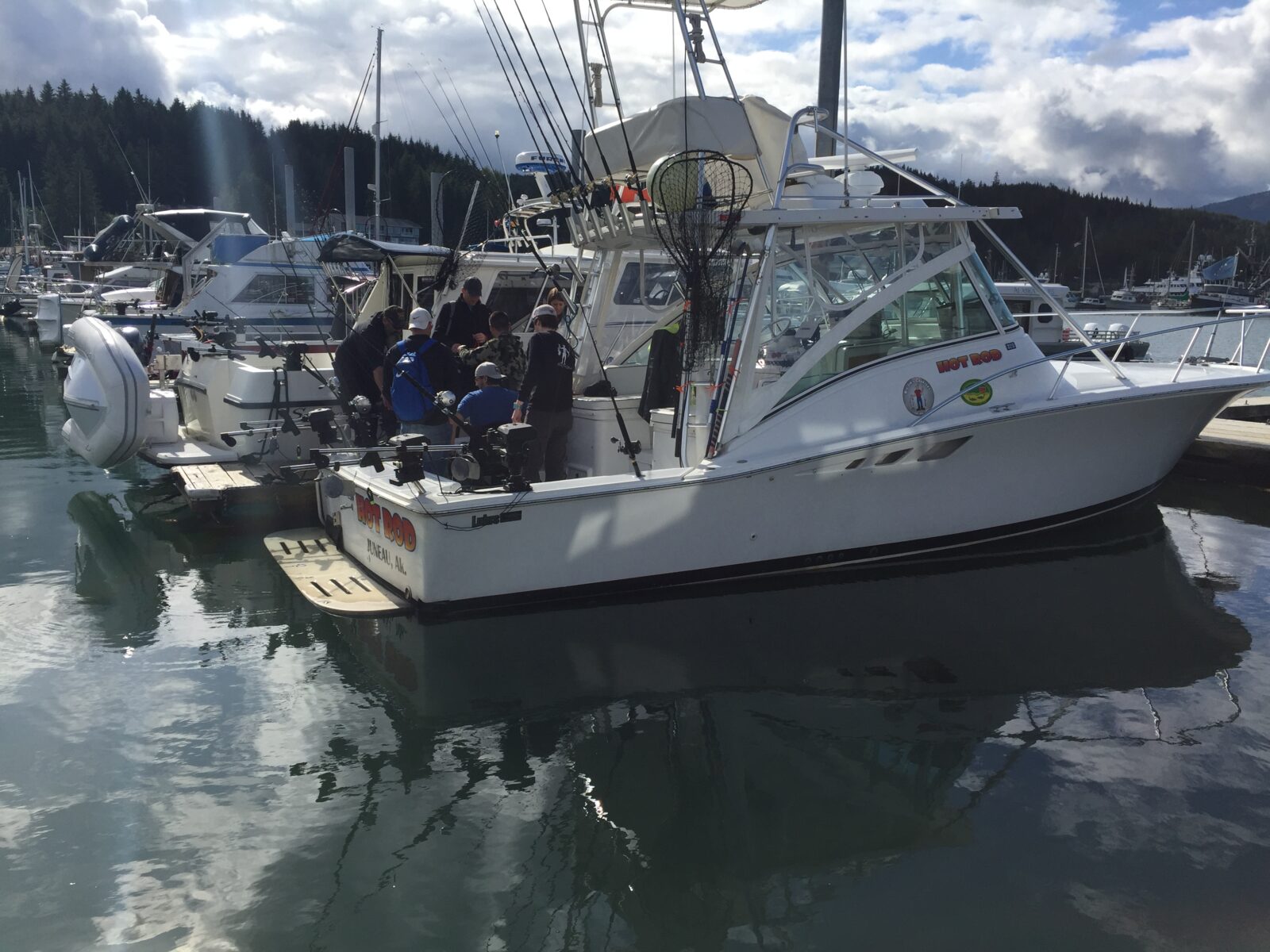
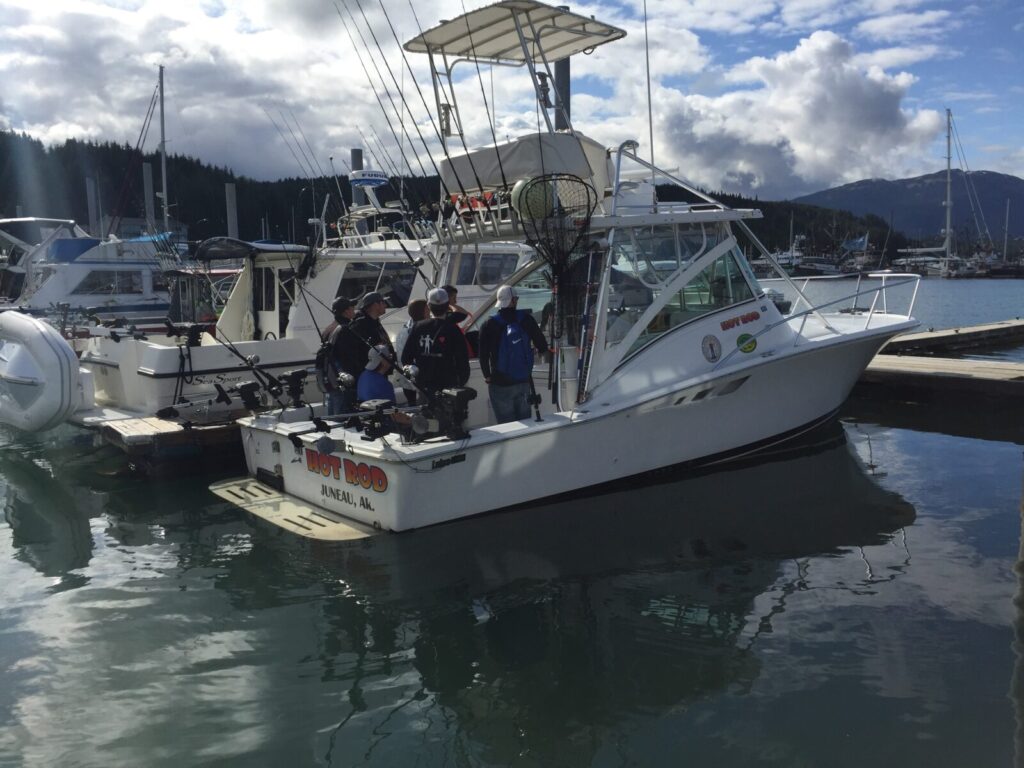
Our boats seat up to 6 guests with fully enclosed, heated cabins, private heads (flush toilets), refrigerators, and spacious outside decks – perfect for both fishing and sightseeing. All gear is provided. We annually outfit each boat with up-to-date tackle, with separate setups for halibut fishing and salmon fishing, so every angler has the right tools for the target species.
For guests arriving by cruise ship, a 6-hour charter provides added flexibility, more time fishing, and excellent value. The extended trip lets you enjoy the full Juneau, Alaska fishing experience with even more opportunities to catch salmon and halibut.
Book now to lock in your private charter and see why Southeast Alaska remains a world-class sportfishing destination.
Halibut Fishing Charter
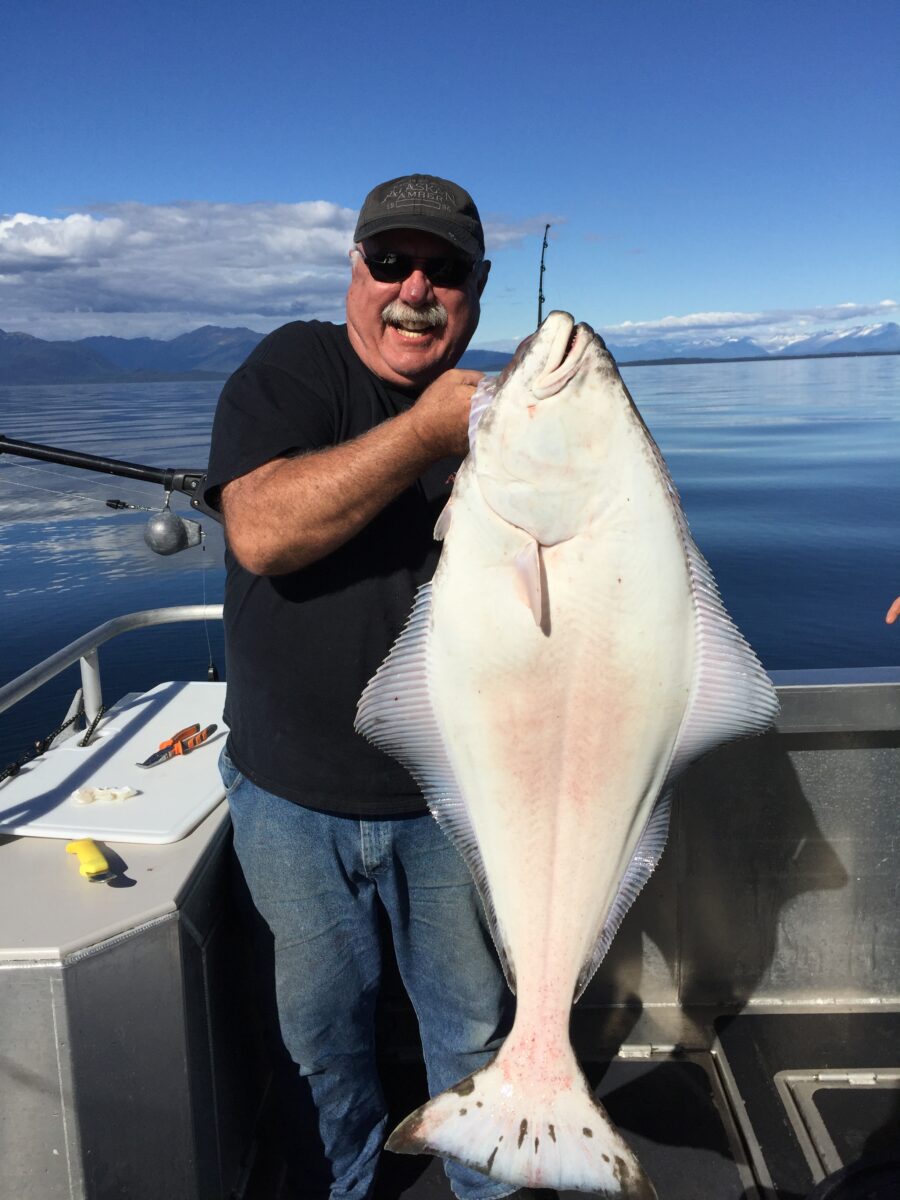
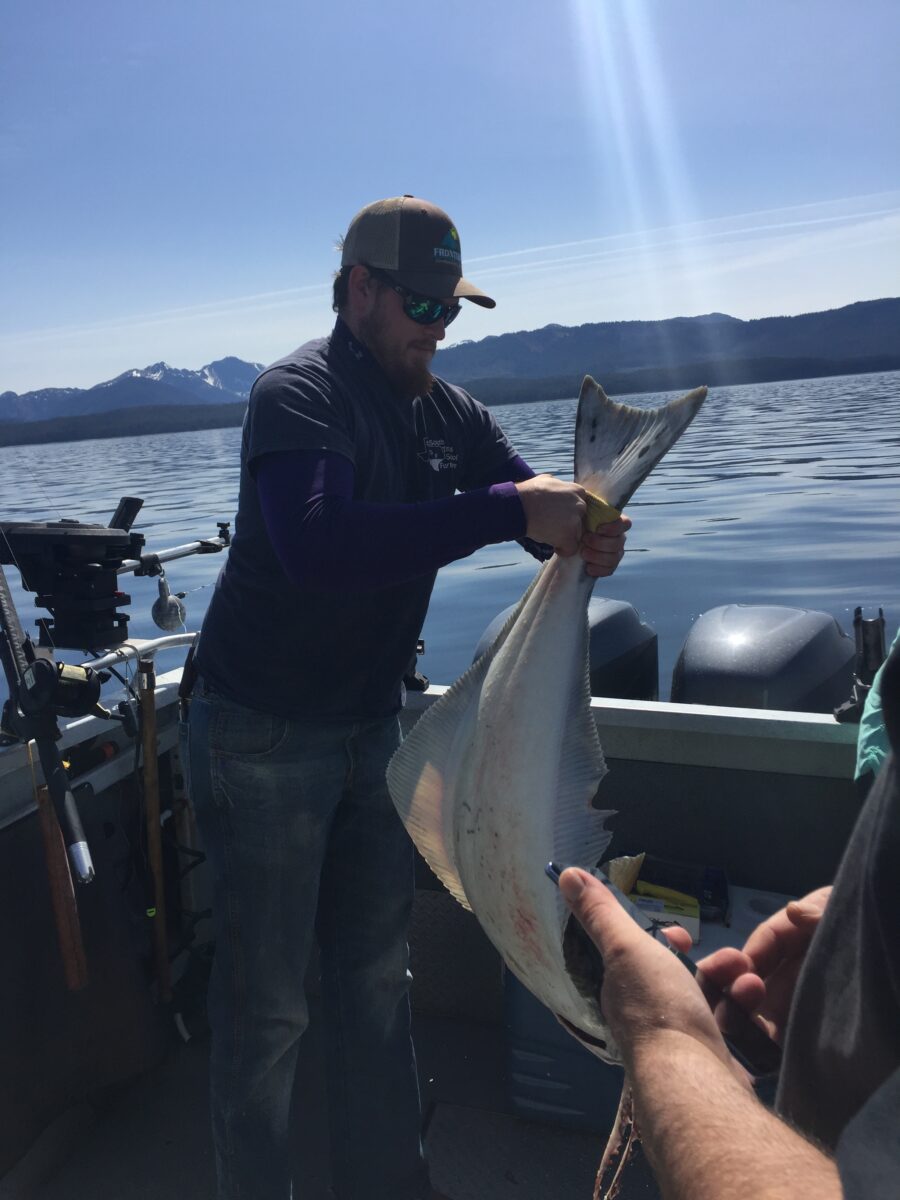
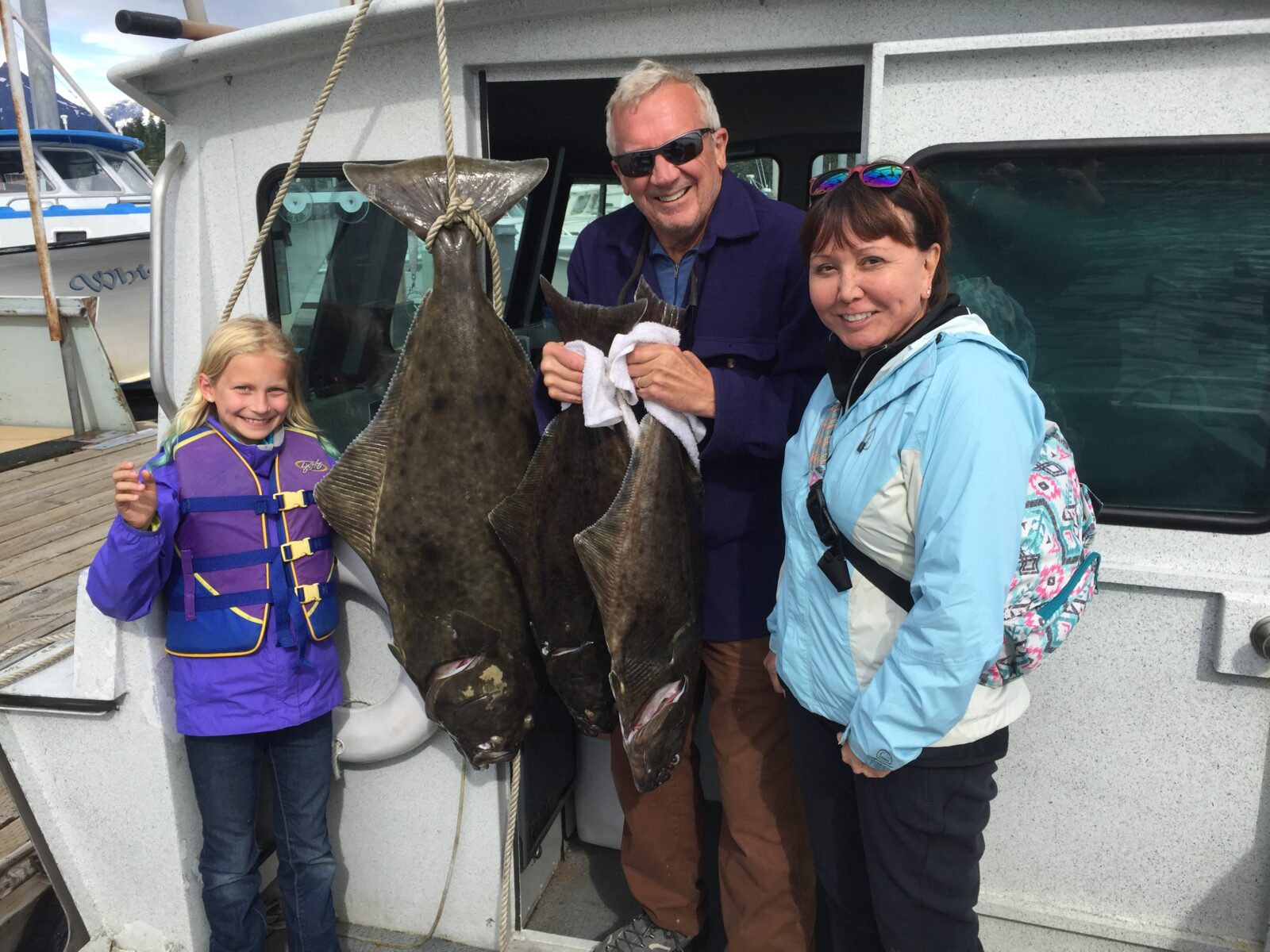
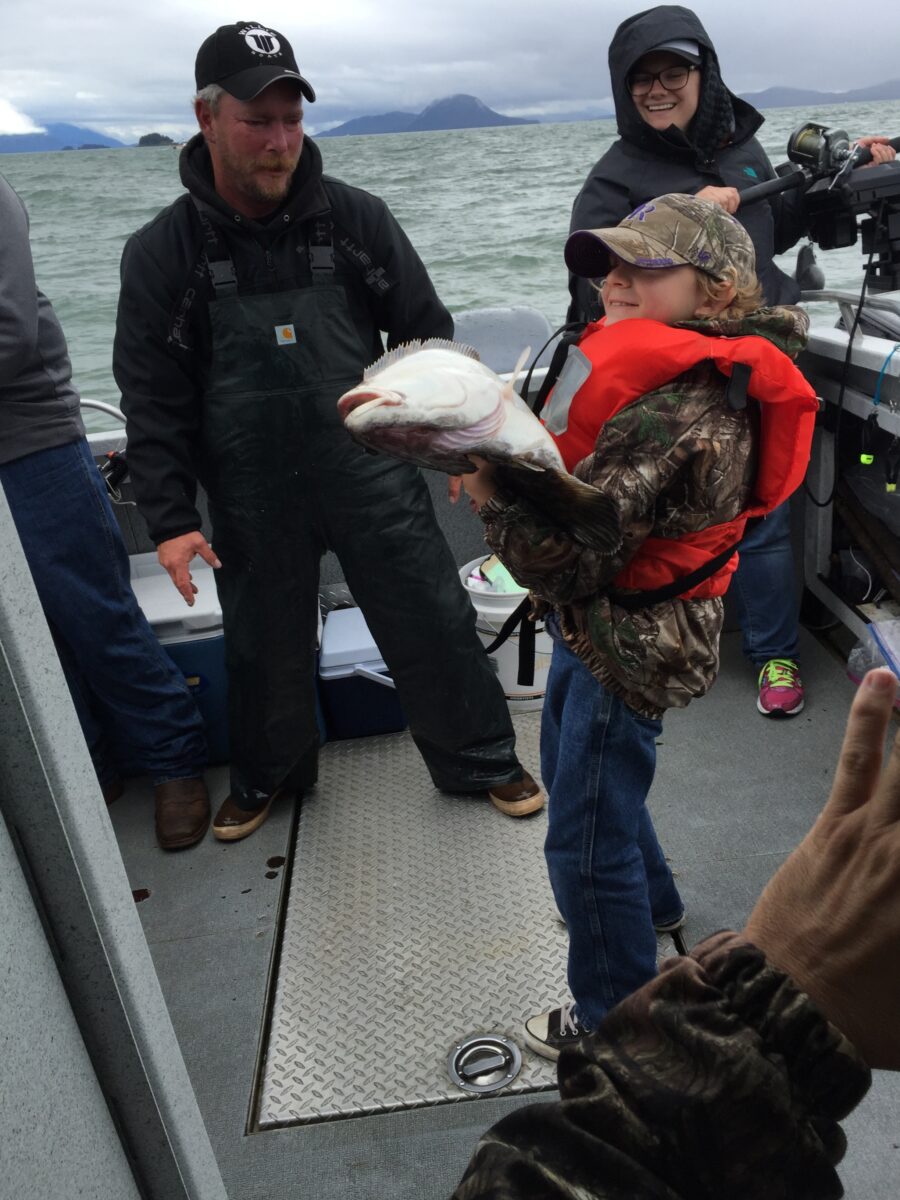
Our halibut fishing season runs May through September, with peak fishing usually from June through August, when Pacific halibut migrate into the local waters. On a charter with us, you’ll use premium gear including two-speed reels, heavy-duty Spectra line, and 200 lb.-class rods with options for jigging or bait fishing.
Typical depths fished are between 180 and 400 feet. Because limits and regulations change yearly, we recommend calling us at 1-866-BIG-JIMS to confirm the latest halibut rules before your trip.
Whether you’re hoping for a trophy halibut or simply want to experience the thrill of deep-water fishing, this charter promises a memorable day on the water.
King Salmon Fishing Charter
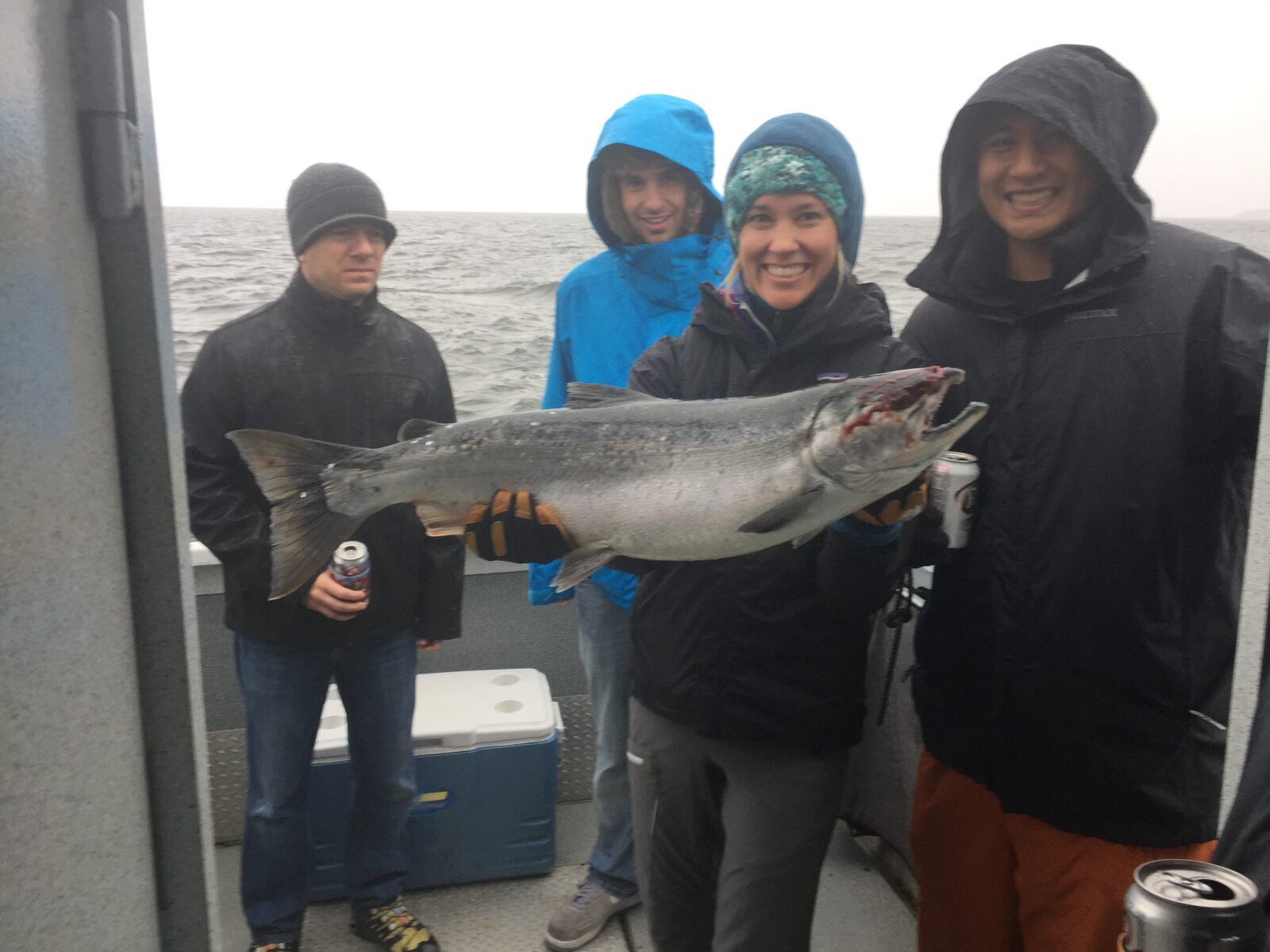
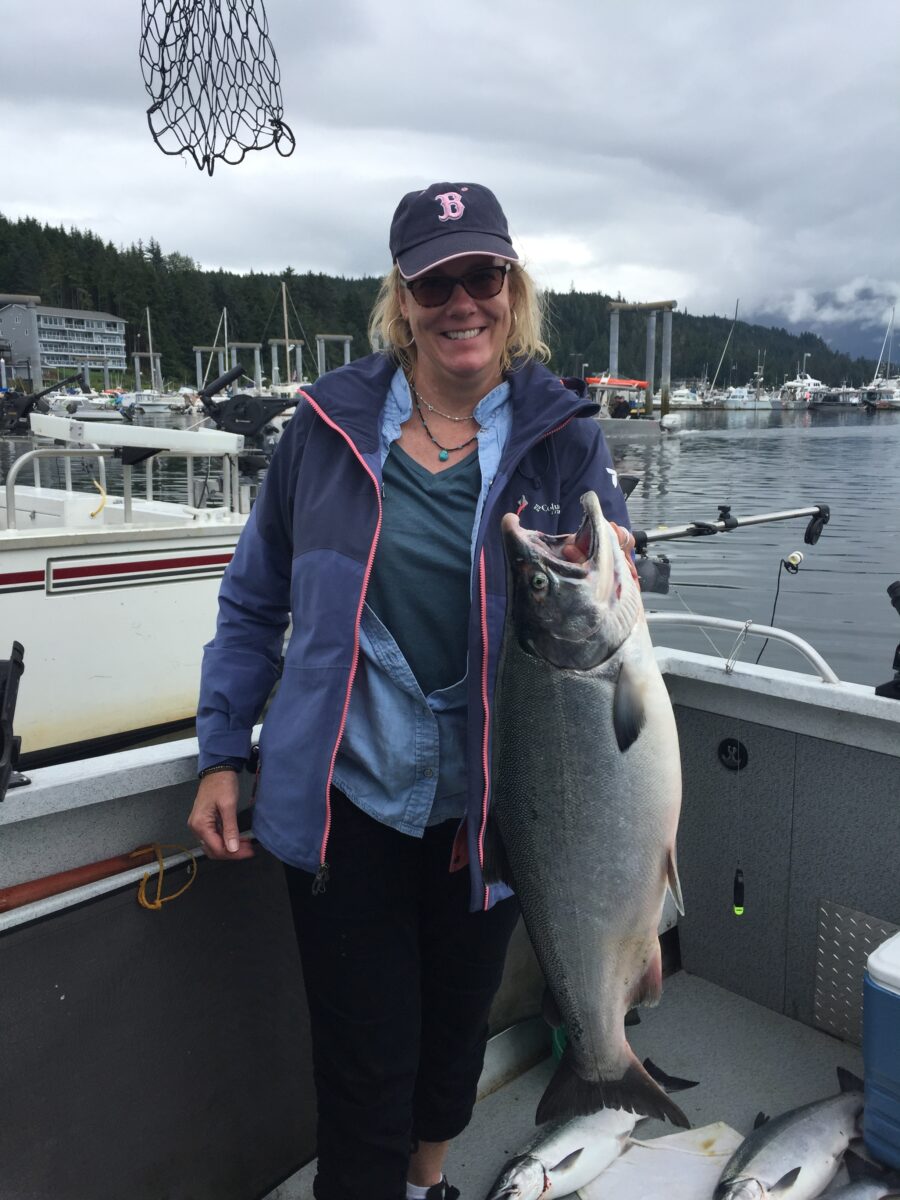
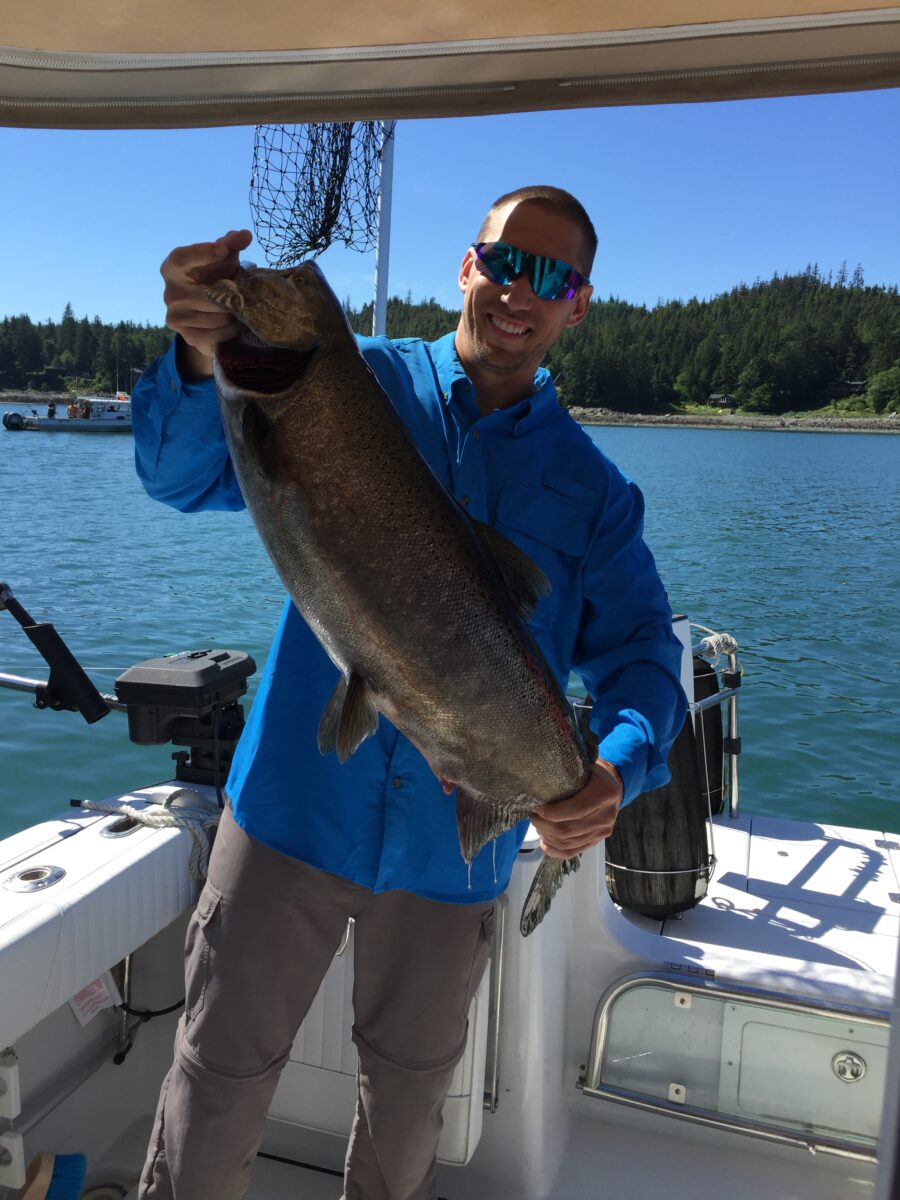
King Salmon (Chinook) are Alaska’s most prized target – known for their size, strength, and the challenge they present to even seasoned anglers. While kings can be found year-round, the prime season in Juneau typically runs from late May through June.
Our Juneau, Alaska fishing charter gives you access to top-quality gear, expert guidance, and comfortable boats, everything you need to pursue that trophy King salmon.
Coho Salmon Fishing Charter
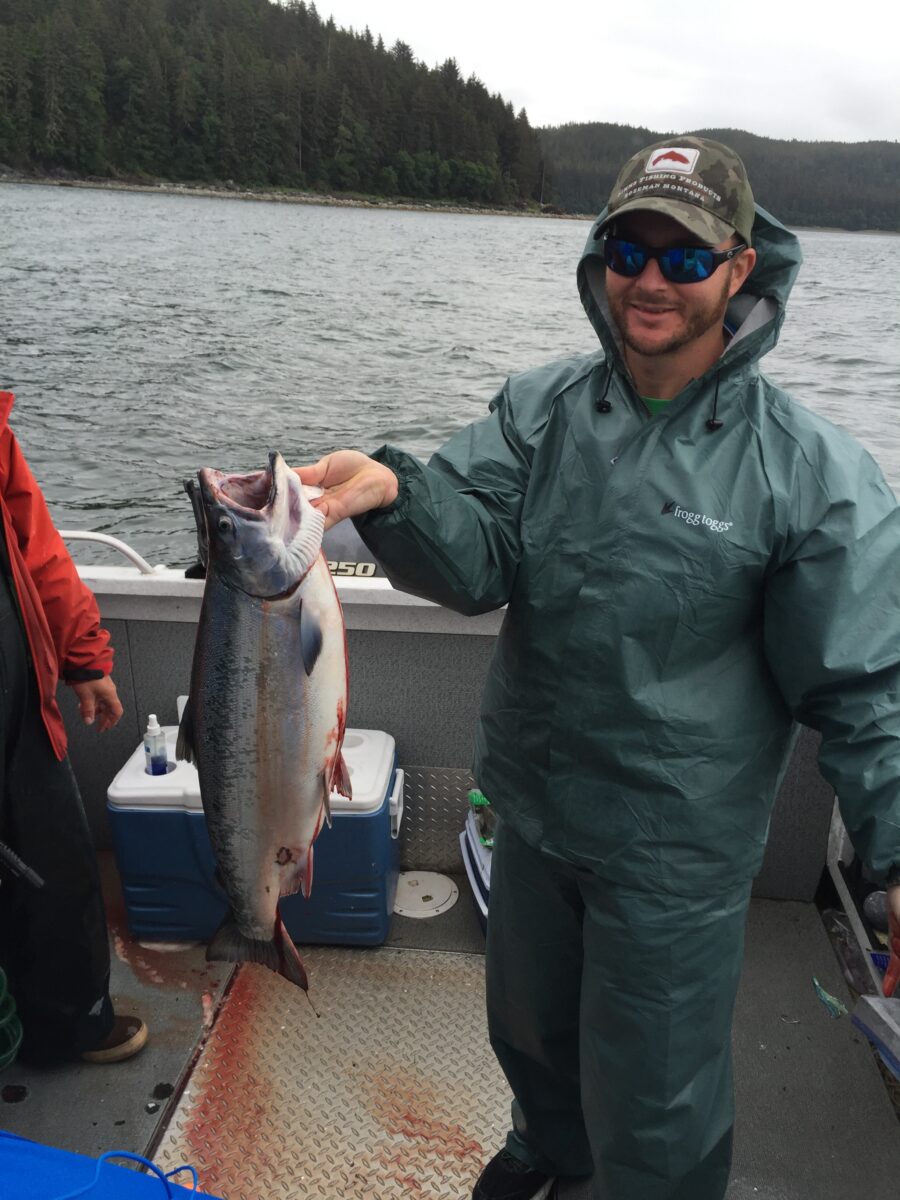
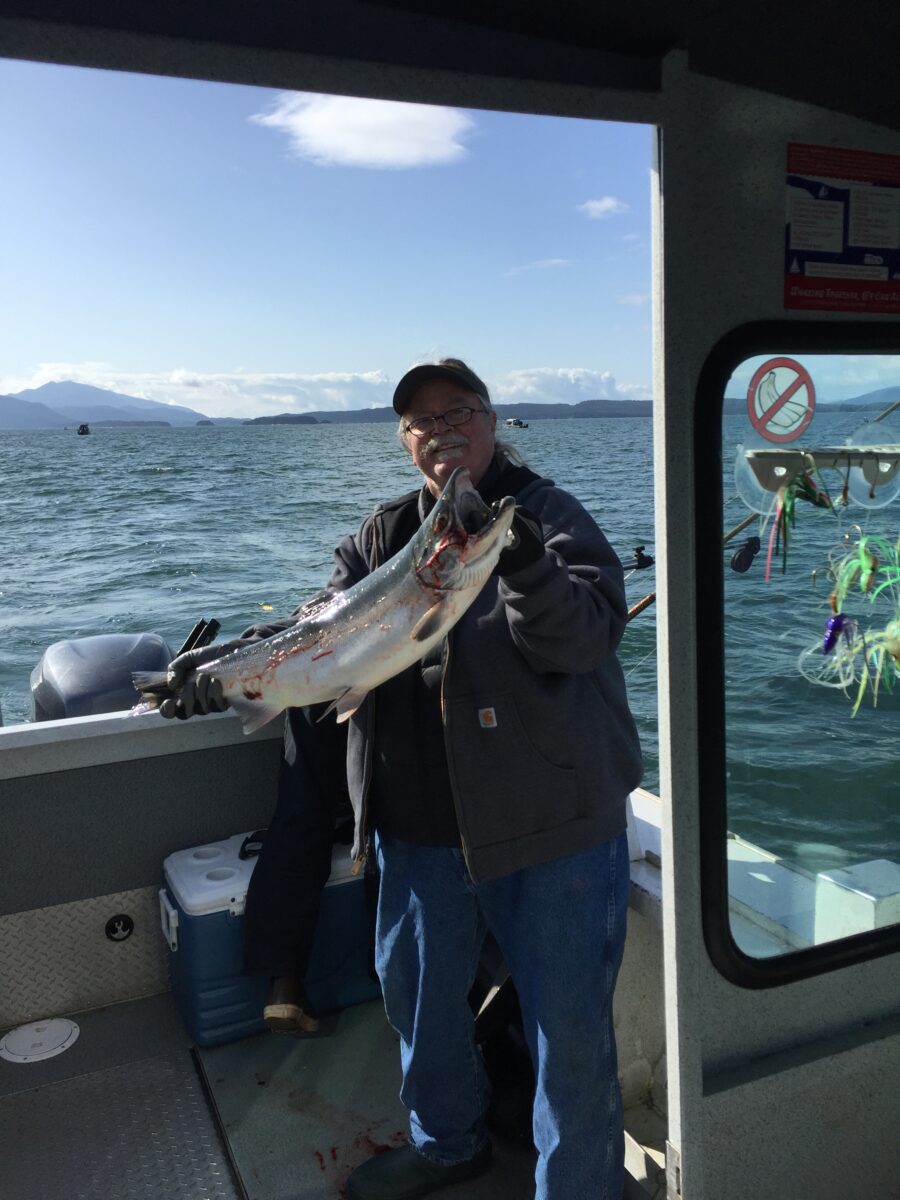
Coho (Silver) salmon are a favorite among anglers for their acrobatic fights and excellent table quality. They start showing up in early July and remain through the summer, with peak action from mid-July through late August. Coho over 20 pounds are not uncommon, and many experience their most thrilling catches during this time.
Whether you’re a first-time angler or a seasoned vet, our charter will provide all the gear, guidance, and local knowledge needed to land a great Coho catch.
Chum Salmon Fishing Charter
Chum salmon – often called “dog salmon” – arrive in June and July, offering anglers a great chance at a bountiful catch. These fish are known for their robust flavor and are especially valued for their eggs (excellent for caviar). Chum can reach up to 15 lbs., making them a solid choice for both first-time and experienced anglers alike.
Our Juneau fishing charters make it easy and fun to target chum – whether for fresh eating, smoking, or preserving for later.
Pink Salmon Fishing Charter
Pink salmon (“humpies”) are the smallest of the five salmon species, but they’re abundant, especially from June through August. Typical catches range around 5 lbs., though occasionally larger fish (up to 10 lbs.) show up. While not ideal for smoking, they’re perfect for fresh salmon patties or canning.
If you’re looking for a fun, lower-pressure fishing experience – or want to add a variety of fish to your catch – a Pink salmon charter is a great option.
Why Choose Big Jim’s for Your Alaska Fishing Charter
- With over four decades of experience in Southeast Alaska, we know the waters around Juneau like the back of our hand.
- We run private charters for 1-4 guests (with an option to expand to 6), so you’ll get personalized service rather than a crowded “group boat.”
- All gear and tackle included – designed specifically for salmon fishing and halibut fishing, rigged and maintained annually.
- Comfortable, well-equipped boats with heated cabins, bathrooms, and amenities – perfect whether you’re an experienced angler or first-time visitor.
- Easy booking, clear pricing, and flexible charter lengths (4, 6, or 8 hours) to fit your schedule.
Have questions or want to reserve your spot on the water? Reach out to us now through our contact page and our team will help you book the perfect Juneau, Alaska fishing charter for your trip!
FISHING CHARTER GALLERY